
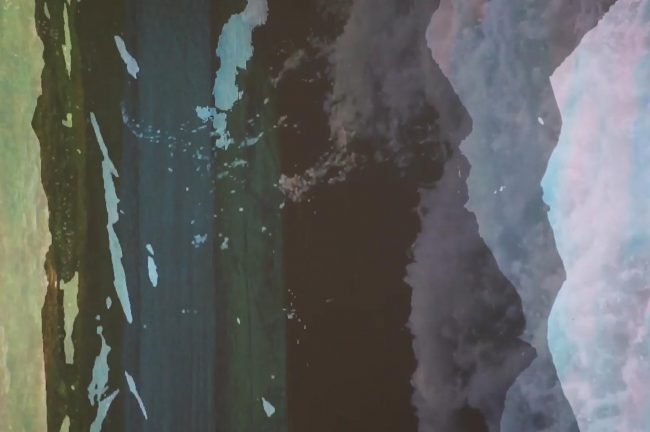
Regress Bloom
data-driven, video and sound installation (2026)
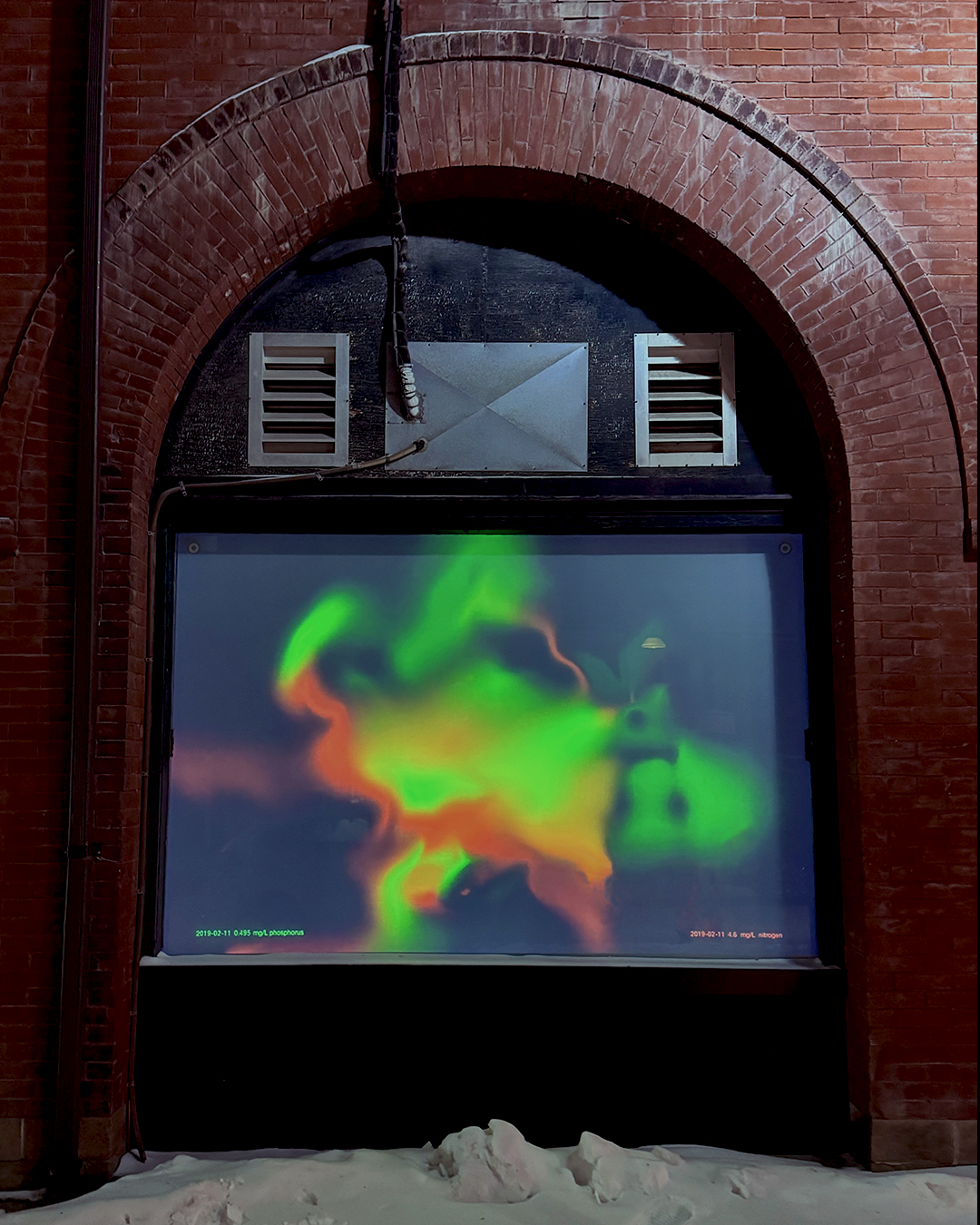
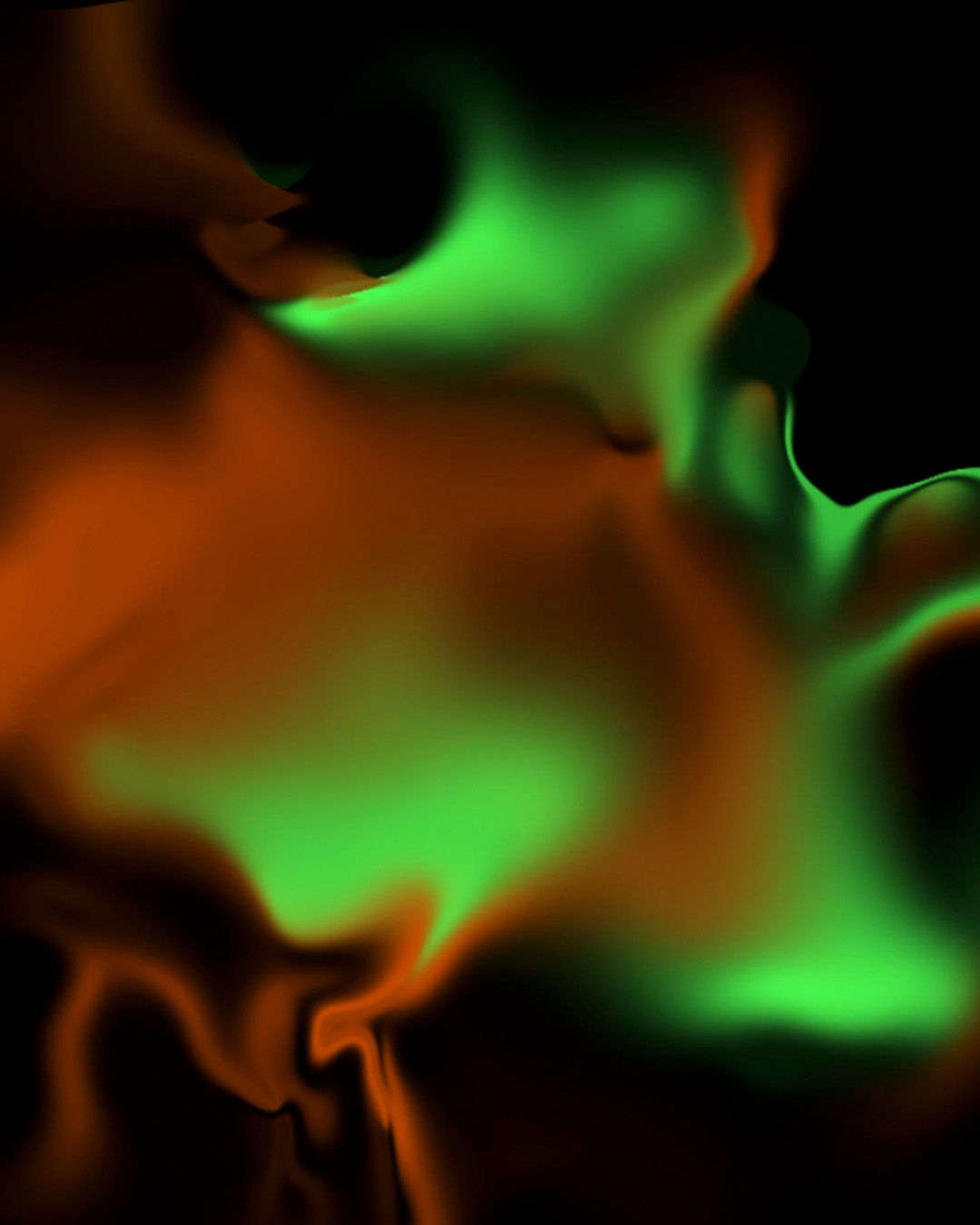
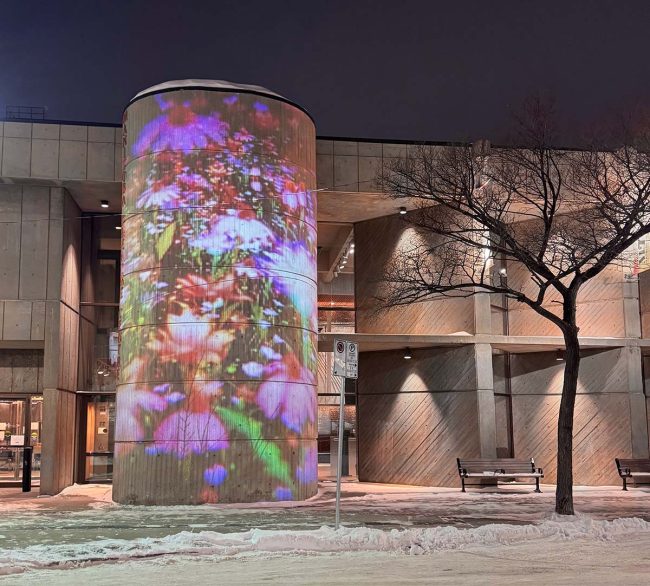
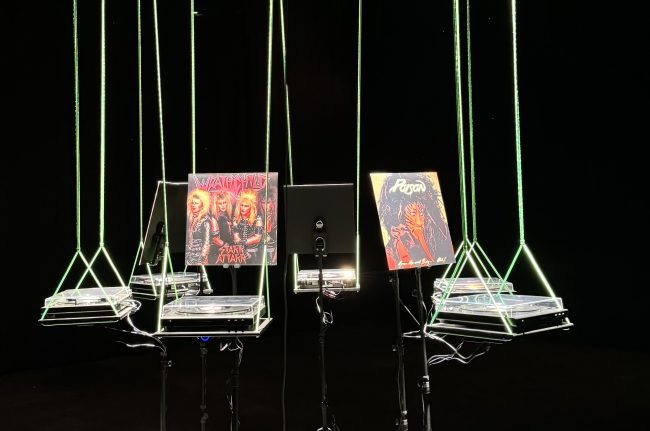
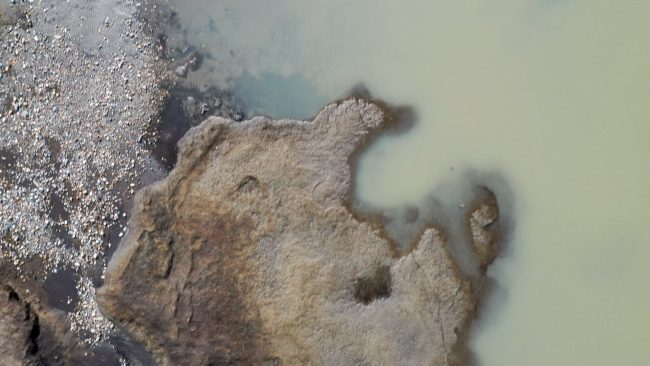
Regress Bloom is a multilayered representation of open data interpretations covering fifteen years of nitrogen and phosphorus testing on the Red River (GPS Coordinates: 50.1411, -96.86861) in Selkirk, Manitoba. It is a research project that represents a specific set of data points, filtered through technologies, human decision-making, creative translation, and audience observations. Peripherally, Regress Bloom is an exploration of algorithmic reinforcement, ‘filter bubbles’, and the human biases in digital systems development.
Testing across many sites near Lake Winnipeg has shown that, due to inadequately treated wastewater, animal waste, and fertilizer overflow, both nitrogen and phosphorus encourage the growth of cyanobacteria, also known as blue-green algae. Many of Manitoba’s bodies of water experience these cyanobacteria ‘blooms’, also called green sludge. When blooms decompose, they consume considerable amounts of oxygen from the water, harming aquatic life. In full bloom, they can ruin an otherwise perfect beach day.
Regress Bloom finds itself “interpreted1,” developed into a story of meaning from the data. And from that story, we create theories and assumptions. Through this visual study and manipulation of data, there can be more than one conclusion. It is not untrue that the addition of chemicals to Lake Winnipeg has created cyanobacteria growth but what is made visual in the artwork is inherently biased due to the small subset of data points collected. The scientists who made the conclusion about overgrowth used a much more detailed analysis and actual scientific research methods.
Through this interpretation of data, Regress Bloom is ultimately about confirmation bias and single-source scientific conclusions. Society, in general, jumps to conclusions using small pieces of information and establishes beliefs through correlation, posting to social media channels. Here, “bloom” can refer to the growth of cyanobacteria, but it can also point to our unfounded group-think exacerbated by social media algorithms. And “regress” draws attention to the research conducted to prove what one already believes is a foregone conclusion. 1. In Susan Sontag’s”Against Interpretation”, she outlines the different sides of interpreting artwork and experiencing it.

This project was funded by the Manitoba Arts Council.